One of the most common questions we get from buyers in Blackpool is this: "Do I need a Level 2 or Level 3 survey?" It's a great question — and the answer genuinely depends on the property. Let me walk you through both options, what they actually cover, and then I'll give you my honest view on which one you should get for different Blackpool property types.
What Is a RICS Level 2 Home Buyer Survey?
A RICS Level 2 home buyer survey (sometimes called a HomeBuyer Report) is a visual inspection of a property's condition. Our surveyor will inspect all accessible parts of the building and use a traffic-light rating system — Condition 1 (satisfactory), Condition 2 (needs attention soon), and Condition 3 (serious or urgent) — to communicate any issues found.
The Level 2 survey covers the structure, roof, walls, floors, windows, services, drainage, and grounds. It gives you a solid overview. What it doesn't do is probe behind surfaces, test services, or provide detailed analysis of the cause and impact of defects. Think of it as a detailed visual health check.
A Level 2 survey is appropriate for properties that are:
- Relatively modern (typically post-1930)
- In apparently reasonable condition
- Not significantly altered or extended
- Standard construction (not non-standard materials)
What Is a RICS Level 3 Building Survey?
A RICS Level 3 building survey is our most comprehensive survey option. It goes significantly further than a Level 2 — providing detailed descriptions of defects, their likely cause, and guidance on what you should do about them. For Level 3 surveys, we also provide cost estimates for repair work where possible.
A Level 3 survey involves a much more thorough inspection. Where it's safe and accessible, our surveyor will inspect roof voids, sub-floor areas, and any other concealed spaces. They'll probe suspicious areas and try to understand the underlying cause of any issues found, rather than simply reporting their existence.
A Level 3 building survey is appropriate for properties that are:
- Older properties, especially those built before 1900
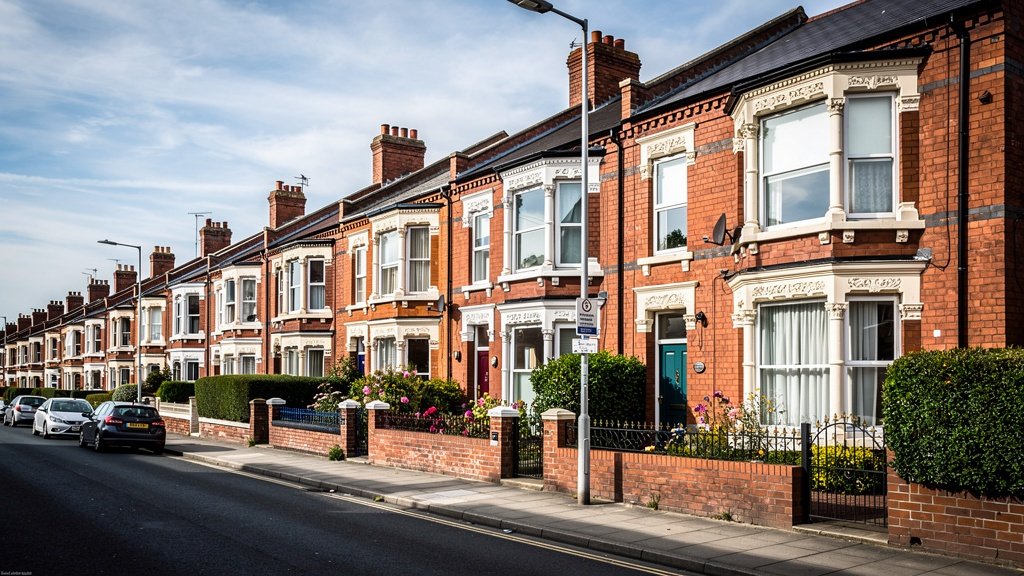
- Victorian or Edwardian terraced houses
- Properties showing visible signs of distress or defects
- Properties you plan to renovate or extend
- Properties in non-standard construction
- Any property where you'd like the most thorough assessment
The Blackpool Factor
The vast majority of properties in Blackpool are pre-1950. Given the age, coastal location, and varied maintenance history of most Blackpool properties, we recommend a Level 3 building survey for the majority of purchases in the town — particularly for anything Victorian or Edwardian.
Which Should You Choose for Blackpool Properties?
Here's my honest, practical guidance based on common property types in Blackpool and the Fylde Coast:
Victorian and Edwardian terraces (pre-1920): Go Level 3. These properties are complex. They have solid single-skin walls that are vulnerable to both rising and penetrating damp. They have original roof structures — often in varied states of repair. Many have been through multiple conversions and alterations. The Level 2 survey simply doesn't give you the depth of information you need for this type of property.
1930s–1960s semis and detached: Level 2 is often appropriate, but consider Level 3 if the property shows any visible signs of concern or if it's had significant alterations.
1970s–1990s properties: Level 2 is usually sufficient for properties in good condition. However, check for any non-standard construction (e.g., Wimpey No-Fines properties common in some areas).
Modern properties (post-2000): Level 2 is generally appropriate. New builds may warrant a snagging survey instead.
Seafront and coastal properties: Always consider upgrading to Level 3. Coastal exposure accelerates deterioration, and the issues found are often more complex and expensive to repair.
The Cost Difference
A Level 3 building survey costs more than a Level 2 — typically £100–£300 more for a standard Blackpool terraced house. That might feel significant when you're managing a property purchase budget, but consider what you're getting for that extra money: a much more thorough inspection, detailed defect descriptions, and estimated repair costs. For an older Blackpool property, that additional information is often worth many times its cost.
I've spoken to countless buyers who saved £5,000, £8,000, even £15,000 on repairs by having a Level 3 survey that identified problems a Level 2 would have missed. I've never heard of someone who regretted going for the more comprehensive option.
Not Sure Which Survey You Need?
Just ask us. We're happy to give you free, honest advice on which survey type is right for your Blackpool property.
Get Free AdviceKey Differences at a Glance
| Feature | Level 2 Survey | Level 3 Survey |
|---|---|---|
| Inspection depth | Visual only | Thorough, probing |
| Defect descriptions | Brief | Detailed with cause |
| Repair estimates | ✗ | ✓ |
| Roof void inspection | Basic | Where accessible |
| Sub-floor inspection | ✗ | Where accessible |
| Best for | Post-1930 good condition | Older/complex properties |